
How Do Web Design Agencies Operate from Start to Finish?

WebCoder
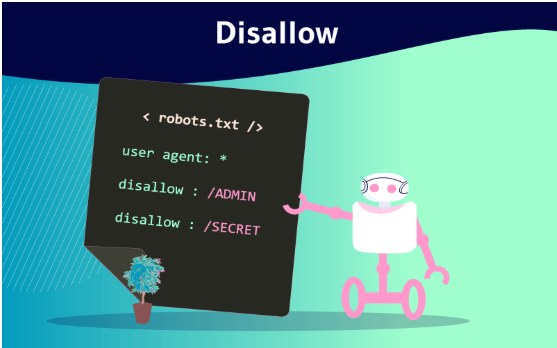
Robots.txt: Why It Matters for Your Website’s SEO
Robots.txt is a file that you may have encountered if you are creating or maintaining a website. However, what is its precise function, and what would happen if you didn't have one?
In this blog, we'll explain the distinctions between having and not having a robots.txt file and how it affects the visibility and SEO of your website.
What Is Robots.txt?
The text file robots.txt is located in your website's root directory. It instructs search engine crawlers, commonly known as bots, on which pages or directories they are permitted to crawl and which they are not.
User-agent: * = applies to all crawlers (Googlebot, Bingbot, etc.)
Disallow: = tells bots not to crawl that path
Allow: = is useful when overriding broader rules
Sitemap: = helps search engines discover your pages efficiently
Benefits of Having Robots.txt
1. Regulate Crawling:
Controlling Crawlers:
Robots.txt's main purpose is to instruct search engine crawlers (such as Googlebot) on which areas of your website to visit and which to ignore.
Content Prioritization:
You may make sure that search engines concentrate on your most crucial material by indicating which pages or directories to crawl, which could enhance the SEO of your website.
Avoiding Unnecessary Crawling:
Your crawl budget may be saved by blocking the crawling of low-value pages (such as admin, login, or duplicate content pages).
Stopping Sensitive Pages from Being Indexed:
To increase privacy, use robots.txt to stop sensitive or private pages, such as checkout or login pages, from being indexed.
2. Optimizing Resource Usage:
-
Conserving Server Resources:
-
By limiting the number of pages crawlers access, you can reduce the load on your server, preventing potential overload and improving site performance.
-
Efficient Crawl Budget:
-
Crawlers have a limited "crawl budget," and robots.txt helps ensure they spend that budget on the most important pages of your site, rather than wasting it on unimportant ones.
3. Improving SEO:
-
Preventing Problems with Duplicate Content:
-
Duplicate content can hurt your search engine rankings, therefore robots.txt can help stop search engines from crawling and indexing it.
-
Enhancing the Use of Sitemaps:
-
To make it simpler for search engines to locate and crawl the structure of your website, you may provide the location of your sitemap in the robots.txt file.
Lead Bots to the Sitemap
**** By specifically directing crawlers to your sitemap, you can enhance indexing.
Quicker Indexing
Robots.txt can help speed up the crawling of your website's content by directing crawlers to your sitemap and giving priority to essential pages.
4. Maintaining Privacy:
-
Protecting Sensitive Information:
-
robots.txt can be used to prevent sensitive pages like user accounts or internal pages from being crawled and indexed, improving your site's privacy.
-
Hiding Staging Sites:
-
You can use robots.txt to temporarily hide staging sites or development versions of your website from search engines while they are under construction**.**
What Happens Without a robots.txt File?
1. Search Engines Will Crawl Everything (By Default)
If your website doesn’t have a robots.txt file, search engines like Google will freely crawl and attempt to index all publicly accessible pages. This includes admin panels, duplicate pages, test environments, or any URL that isn’t otherwise blocked. While this may seem fine for small public sites, it can lead to unnecessary indexing, security risks, or SEO issues on larger websites.
2. No Control Over Bot Behavior
Without a robots.txt file, you lose the ability to control how bots interact with your site. You can’t block malicious or spammy bots, and excessive crawling by multiple bots can strain your server resources. It also means private directories, internal tools, or staging environments might get crawled and exposed unintentionally.
3. No Impact on SEO Ranking (Directly)
By itself, not having robots.txt lowers your rankings, but it might cause:
- Index bloat, or irrelevant search results pages
- Issues with duplicate material
- Google is displaying unwanted pages.
4. When It’s Okay Not to Have One
You want everything on your modest, publicly accessible website to be searchable.
Final Thoughts
While a robots.txt file may seem like a small part of your website, it plays a crucial role in shaping how search engines interact with your content. From controlling crawler behavior to protecting sensitive data and optimizing SEO performance, the benefits are clear.
At our company, we implement a well-structured robots.txt file across all our projects—whether it's a corporate site, eCommerce platform, or development staging environment. This ensures efficient crawling, improved privacy, and better overall search visibility for every website we build.
If you haven’t set up a robots.txt yet, now is the perfect time to take control of how bots see your site—and help search engines focus on what truly matters.